




Noticias UPS | Actualidad Universidad Politécnica Salesiana
UPS researchers presented their work in the 2nd International Congress on Anthropology AIBR
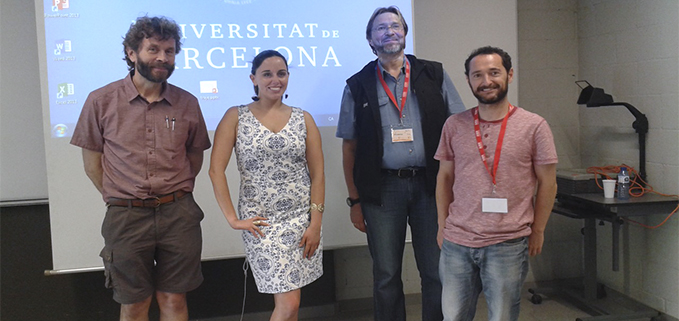

UPS professors Lorena Campo and Julian Garcia presented their research in the 2nd International Congress on Anthropology AIBR held in Barcelona, Spain from the 6th to the 9th of September. Both professros are members of the "State, Social Movements and Territory Research Group"
Professor Garcia presented his research titled "El espacio vivido del inconsciente en la cultura Secoya (Alta Amazonía Ecuatoriana)", which is about the fast changes in the Amazon and therefore it is necessary to conduct research of its cultures.
"The mythical elements and their role in the process of knowledge acquisition in the Secoya culture are one of the pending subjects in the Epistemic approach to this culture. The myth takes us back to a different time and space every day. The mythical time has not disappeared from daily life, despite the calendar time. The Secoya (Siekopaai) culture of the Upper Ecuadorian Amazon has a conceptual wealth that is linked to pragmalinguistic use of myths" he explained.
Professor Campo presented her research titled "Suicidios en el Ecuador. Alteridades silenciadas en la vida cotidiana", which refers to certain cases where death can be a radical identity strategy, which generates collective rituals.
"Men suffocated by the demands of their ideal male roles that hang themselves, indigenous young people who are linked to fields other than those of their ancestors, peasants who die on their own as a side effect of pesticide poisoning, the list is plentiful", she said.
She believes that this is a desperate micro indirect complaint, but so intense that it produces silence around it, either by pain or shame of those who must ritually process those different deaths. "These deaths reveal denied alterity, dull and muted, which in self-elimination stand as a product of naturalized violence in social, political, cultural, sexual and economic life"
Noticias Relacionadas
Noticias Relacionadas


Follow us
Follow us